
The above keeps the dice rolling a little, while combat-focused characters also get a role when one of their skills supplements the information in a basically social situation. They can then become the group's center of attention for a while. But they surely want to see combat too. Someone else may want to use another skill. An ambush may provide enough combat, but there are many other ways to loosen up an investigative adventure for those who prefer something else. It is a cliché that questioning the wrong person in a pub can lead to a fight. Another consideration is that, when PCs try to obtain information or equipment needed for the investigation and the other party has no obligation to help, a “something for something” situation can arise, letting you include a different situation as a side branch.
In such cases, a few rolls—a Luck roll, for example—can create a fortunate situation. The additional task may take them somewhere they seemingly happen upon new evidence. Planning the non-investigative scene some players expect, outside the adventure's normal course, lets you place a clue there too. You might hide evidence directly, or simply provide an experience that immediately changes their interpretation of earlier clues. During the more combat-heavy, dice-rattling side branch, even those less pleased by the detour can thus receive a little spotlight.
Obtaining particular information may also require breaking in somewhere. The group can then play commandos a little and obtain written information and evidence. How illegal this is naturally depends on the group's background, but it is worth recognizing that different player preferences may require such scenes. Again, the others watching a more experienced companion act can compare what they see with other evidence, making this an information source.
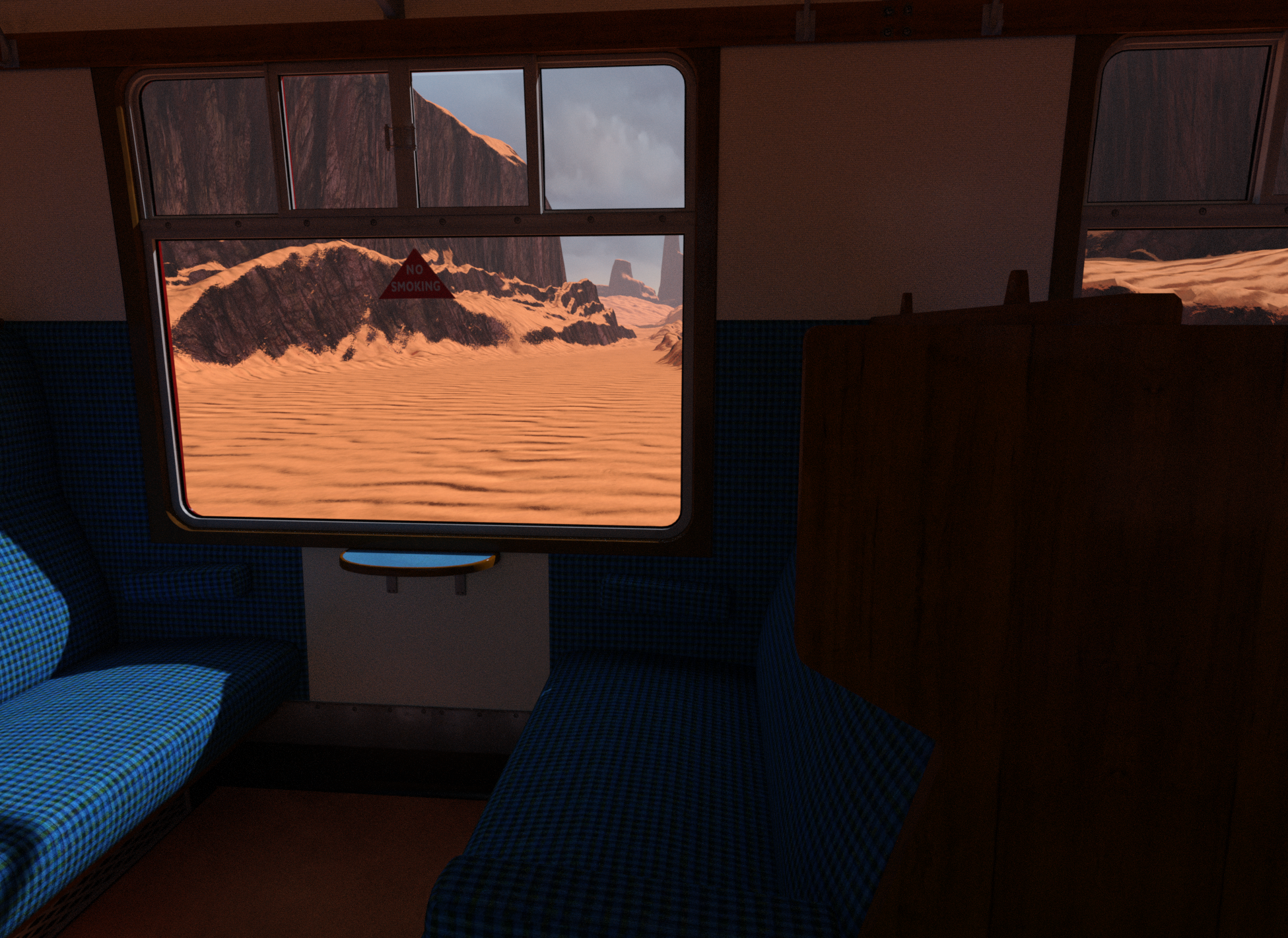
Such side branches also matter because, to keep the adventure manageable, you are building on a limited environment. Whether optional, because some players value them, or mandatory parts of the adventure, the surroundings they require often matter. A train, ship, or noble's manor is a restricted setting in which many types of event are awkward to run. The group's preferences therefore help determine where you can set the adventure—if you want to accommodate them. Otherwise, prepare for some players to initiate unjustified combat if none is provided ready-made.
Investigative adventures involve two basic kinds of player motivation. One is fundamentally roleplaying: players want to feel a little like investigators. It then matters that they recognize many things themselves rather than relying only on rolls. In the other case, the player does not care what kind of adventure it is, as long as they play. The character's knowledge matters anyway, and the character sheet and dice handle that. Yet social interaction is largely a part of roleplaying we rarely entrust to dice. Some adventures emphasize it less, so it takes little time, but it is exceptionally rare for it to depend only on rolls. That cuts the group off from valuable information.
The same applies to deductions and decisions, which causes problems when the player relies on dice. If, however, the game focuses much less on dice, rolls, and their results, and much more on described actions and making the player feel like a hero themselves, you should maintain that goal when running combat or anything else in a side branch. This too is part of consistent resolution and the description appropriate to it. Announcing a hit and recording damage is brutally little compared with six to eight pieces of descriptive information.
Strange results arising during combat and other activities could themselves look like strange clues to the characters, so consider the risk of derailing the adventure that way. Here you may have reason to fudge, and to avoid creating unjustified oddities in players' actions too. Remember that you are entitled to cheat a little. Compared with its contemporaries, Call of Cthulhu tries to offer relatively good resolution in advancement and in depicting differences in characters' knowledge. Randomness, however, can easily overwhelm those differences, which is not necessarily ideal.