
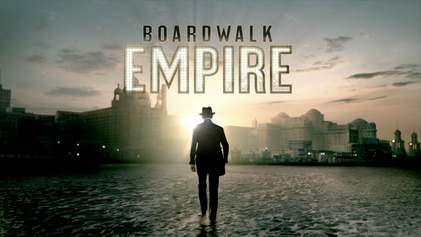
 A million and one stories take place during Prohibition: Lovecraft was alive, writing and experiencing much at the time. If you enjoy Call of Cthulhu, you probably read his work alongside many other works set in the period. You have likely watched numerous iconic period series to death too. Books struggle to communicate some things their authors take for granted, while television creators research them and put them on screen. If we named HBO's hugely successful Boardwalk Empire among the essential portrayals of the era, most would probably not merely reply "seen it", but recall iconic quotations. They might even explain how it shapes their descriptions of entertainment venues and many adventure characters' attitudes towards morality.
As it should. Not merely because even videos comparing fashions across eras provide no street scenes and do not explain what particular clothes meant then and there, while better period series help us imagine characters' clothing, speech and natural behaviours most writers would leave unmentioned. Also because one thing has changed since Lovecraft's time. Back then, this era was the present, and characters in weird fiction, "Lovecraftian horror" and its many details showed us deviations from ordinary life: who was strange. Knowing the era only through Lovecraft would mean never finding the baseline against which the protagonists compare things. Moreover, today we do not choose this period merely because, unlike many others, it suggests itself as the present day. We specifically want to play in it among history's many interesting eras.
Nor was Prohibition the period's sole defining feature. There was the Ford Model T, by then available second-hand too, widening the world even where trains did not run. Radio appeared and challenged print for the title of principal news source, transforming advertising and cityscapes as well. The League of Nations stood as a serious international community against the nationalism dominant during the First World War. Female voters were another novelty, bringing a change in democracy in which politics leaned particularly heavily on one voting group. Women's votes led to Prohibition and, contrary to expectations, unleashed violence. Nyarlathotep's joke, many Call of Cthulhu GMs would remark. Not entirely without foundation.
Motorisation and post-war reconstruction accelerated the economy, whose growth encouraged migration, including "foreigners with strange customs". Communities of different nationalities then contributed to "ethnic mafias" as organised crime spread. Some distilled kosher plum spirits, others whiskey... Films and series set in the period show abortion as a subject, and women's changing social position. Characters could encounter a million strange things and readily suspect something behind them.
Everyone is wise after the event
Everyone is wise after the event. Roleplayers especially. The first half of Prohibition coincided with the economic heights of the Roaring Twenties, but we know the economic collapse and Great Depression came towards its end. After motorisation, progress and intensified migration and trade came a turn inward too. These were no small social or economic changes. On an old forum I once raised the first serious speculative bubble, surrounding Dutch tulip bulbs. Most users said they would never invest in such circumstances. Everyone is wise afterwards; they had heard what followed. But an important force behind most economic crises is that people do not foresee their actions' consequences. We understand what this means, surely? Someone making clever tactical decisions through foreknowledge is not playing their character.